 "
"
Showing posts with label Meditation. Show all posts
Showing posts with label Meditation. Show all posts
Sunday, March 15, 2009
Friday, January 9, 2009
Meditation on delaying our conversion by Fr. Jean Croiset
FIRST MEDITATION
THAT WE OUGHT NOT to delay our Conversion
FIRST POINT. If we delay our conversion, we thereby put ourselves into an evident danger of being never converted.
SECOND POINT. If we delay our Conversion, we thereby put ourselves under a kind of necessity of being never converted.
FIRST POINT.
Consider that there is no Christian who has not some time or other desired to turn sincerely to God; there are certain happy moments wherein by an inward light we discover on a sudden so many faults in creatures, we find so little solidity in everything on the earth, and are so disgusted with what seemed most charming, that we cannot avoid confessing that to neglect the service of God is the highest degree of madness.
Our reason is convinced but our passions are too strong, and we have not resolution enough to oppose them; therefore self-Love finds an expedient to flatter both; it satisfies our reason by persuading us to resolve on conversion, and pleases our sloth by engaging us to defer it and to retain our former habits, but here it apparently deceives us for this delay puts us into an evident danger of never being converted.
Time, grace, and a willing mind are necessary to conversion; if we put it off but for one day, how can we promise ourselves that one day? If we have that day, are we sure that we shall be more willing to improve it? And who hath told us that we shall then be assisted with a more efficacious grace than that which we have hitherto resisted?
Is anything more certain than time? How many have been surprised by death while they were deliberating? And would it not be a dismal thing to die full of designs for a future conversion?
We think it is not now a fit time to quit our dangerous conversations, to avoid the occasions of sin, to reform our lives and to live more retired and more like Christians: alas! What time would we have? We are for staying till the heat of youth is past, till age and experience have disabused us as to those trifles which take us up now, and then everything will contribute to our conversion.
Thus the greatest part of mankind argue about their projects of conversion, for no man pretends to die unconverted, but do they reason well? Do we find many of these resolvers converted before they die? We accept (says S. Augustine) their penance who defer their conversion to the end of their lives, but we make no great account of such conversions. No my brethren (adds that great saint) I dare not deceive you and therefore must declare that we make no great account of them.
We refuse to be converted now, what grounds have we to believe that we shall be more willing hereafter? If we find difficulties now, we shall meet with greater than they increase with our passions, which will then be stronger and instead of youthful amusements which take up our time now, we shall then find that multitude of business will be a greater hindrance. Do not flatter yourselves that you may be converted at any time; who has told you that you shall at all times be capable of conversion? If we refuse to be converted when God invites us now when our ill habits are but weak and few, can we reasonably expect to be able to do it hereafter, when they are multiplied and grown inveterate? God will be weary of waiting; his solicitations will dimish as our resistance of his grace increases; so that we are forced to own that we run the greatest hazard in the world by delaying, and yet we are not afraid to venture.
Was it ever heard that a condemned malefactor was unwilling to receive his pardon, and desired it might be deferred to another time? God offers us his friendship, he tenders his pardon to us, and we are unwilling to have it yet; we desire him to stay till we are in humor to receive it. He solicits us and we bid him keep his love for another time; would we treat the last of men thus, and how should we resent this usage ourselves?
Every man promises himself time for conversion if Jesus-Christ had promised us with an oath that we should have notice of his coming, we could not live in greater security than we do, though we know that he hath sworn the direct contrary.
Did every any merchant when he had found an opportunity of recovering all his losses put it off to another time? And defer the securing his fortune till the next day? Would not we think a man distracted who being dangerously sick and should desire his physician not to visit him till five or six day hence?
Am not I with all my pretensions to wisdom this distracted man, when I delay my conversion one day? I am out of favor with God, my soul is dangerously ill, the most efficacious remedies do me no good, my sickness increases, God solicits and beseeches me to be cured, he desires only my consent, and I refuse his offer.
Has not the Son of God prevented all our excuses and all our false pretences by declaring that he will come when we are not aware of him? This is not only the counsel of a wise and knowing friend, it is the decision of the Lord of life and death who knows the time in which he designs to call us. Let our designs and projects be never so well laid, death will come when we least expect it.
Did we ever see a man die, were we ever dangerously ill ourselves without resolving to turn to God? And yet we are still unconverted. Our last sickness will put us on the same resolutions, but how can we be sure they will be more sincere than the former, and why should we think that God will accept them?
Men tremble when they find themselves in danger of losing their lives or estates; is it nothing to lose our souls by remaining unconverted? If the loss of a soul be so small a matter why did Jesus Christ do and suffer so much to redeem it?
My God! Thou desirest not the death of a sinner, thou desirest his conversion; so that it is my own fault if I be not converted. Am I unwilling? And how can I pretend to be willing if I put it off from day to day?
One would think it were a great misfortune to be wholly thine, since men give themselves to thee, as late as they can; I am terrified by other dangers, is not this of being lost forever a much greater danger?
It is resolved O my God! It is resolved, I will defer no longer; but though I am willing; it is thou alone that must convert me; Do it and then I shall be truly converted.
SECOND POINT.
Consider that by deferring our conversion we are not only in danger, but under a kind of necessity, of never being converted; when the Scripture exhorts us to seek God while he may be found, it teaches us there is a time when he will not be found; what then must a man expect whom God hath sought in vain several years together and who has been insensible to all his Goodness?
Do we think ourselves too young to be devout, and that we ought to stay till we are older, and then be converted? This is as much as to say that we have not sufficiently offended God, that when we have abused his goodness more and driven our ingratitude as far as we can, we will then begin to serve him. Will he accept of our service then? Tis true; God will never refuse a sinner that is really converted, but the difficulty lies in being converted; seeing we will not be converted now when God desires it, can we be sure of doing it when we shall have all the reason in the world to doubt whether he continues to desire it.
Could the Apostles reasonably expect a second call from Christ to leave all and follow him, if they had delayed till next day to obey the first? Could they expect to have more courage next day? They who were invited to the supper in the Gospel were but twice invited and excused themselves but once upon very plausible pretences, which were yet sufficient to exclude them forever from the feast and to seal their reprobation.
The difficulties and obstacles we meet with now, and which we pretend are already invincible will augment in number and force every day; we say we cannot be converted now, we shall be less able hereafter; the spiritual helps of reading and meditating on the great truths of the gospel, the counsels of a wise director, the frequentation of the Sacraments have no effect on us now: upon what then do we build our hopes of conversion? We would not yield at first when we were touched with those truths, much less than we yield ourselves when we are grown insensible.
We accustom ourselves to everything in time, the best advice and the most terrible truths, will make no impression on our affections and less on our hearts; like those who are continually about dying people we shall by degrees loose all sense of what terrified us at first. By frequent slighting the thoughts of hell, we shall become little afraid of it; do we expect to be disabused then? Alas! We are already convinced of our danger; for why do we intend to turn to God at last, if we be not persuaded that we are in a dangerous state?
Suppose a longer experience should make us see our error, and wean us from the false pleasure, and the false liberty of the world, so that we cease to esteem them, we thall still retain them out of custom, interest, obstinacy, or inclination. Though we glory no longer in being libertines, in following the maxims of the world and in not being devout we shall insensibly continue so because we are used to it; unless we are absolutely resolved to be deceived, we cannot propose to ourselves to overcome so many multiplied obstacles all at once; when with a greater assistance of grace than we can expect, and with less guilt we have not courage to enough to conquer one single sin.
We persuade ourselves that at the hour of death, the sense of approaching danger will make us turn to God; but how can we rely upon a conversion to which we are excited only by the presence of death, and which must therefore infallibly be the effect of fear?
And for a clear proof that those conversions are seldom sincere how many have we seen truly converted after a great sickness? Besides it is an article of our Faith that the Son of Man will come at an hour when he is least expected, so that although the death of the greatest part of mankind be not sudden yet it is unforeseen; and Jesus Christ hath declared with an oath that he will be inflexible to all the prayers of those who expect their last hour to turn to him, so that we must either believe the Son of God mistaken, or that he had a design to deceive us, or we must believe that the sinner who defers his repentance to a death bed will die impenitent.
Our Savior does not say that we shall continue obstinate to the last, that we shall not beg him to forgive us, or that we shall not have time, but I foretell you (says he) that you shall die as you have lived.
But we must always hope; true but that is no Christian hope which is contrary to our Faith.
The merits of our Redeemer might indeed save us, if his word and his Gospel had not already condemned us.
Can we imagine that the great work of eternal salvation which is the work of our whole lives, and for which Christ himself judged no less time necessary, can be done in a few hours? That it can be done well in those last moments? After all this: can we believe that when we have delayed it from one day to another, we may easily do it not withstanding we put ourselves under a kind of necessity of not doing it al all?
Where eternity is concerned we ought to hope only on solid grounds; the only foundation of hope is the word of God, and yet we hope against this express word.
How long hath God solicited us to be converted? And yet how long do we continue to resist his grace?
If we had no other motives that the assurance that Grace is offered us, that God is ready to receive us, that we may be this very moment if we will in the condition we shall wish for, when we come to die the want of which will then drive us to despair; do we need any other to make us resolve?
Would a damned soul delay one moment if he had any time, and the means of conversion that I have? Those wretched souls were once what I am, have not I reason to fear that I shall be one day what they are? They deferred their conversion and are damned for it, am not I in danger of being damned for the same delay?
‘Tis strange that we can put off our conversion to the last; that is, to do the most important and difficult work in the world: we wait for a season wherein we shall be wholly incapable of anything; wherein a man would be though mad or at least imprudent that should talk to us of business. Is a sick or dying man in a condition to talk of business? And yet it is to this time which we ourselves acknowledge to very unfit for the most trivial affaires, that we defer the greatest business in the world, the business of salvation, and eternity.
How can we think of being converted one day and yet defer it though but to the next day? The design of being converted implies that we believe our souls in danger, that we are sensible of want of Love of God, that we do not serve him faithfully. That we are out of his favor, and that we dare not die in the state in which we live. He who defers his conversion willfully lives in a continual danger, by which so many perish everyday, he refuses to love God, and is content to be out of favor with him; he resolves to live in a state wherein he is afraid to die, and this after serious reflection, and after several designs to change his life; he resolves to persist in enmity to God at the very time when God tenders him his Grace and presses him to accept his friendship. Can any Christian, can any rational man make his reflection and afterwards defer his conversion one moment.
Alas my Dear Savior! I am but too capable of doing this; these reflections and an hundred more will be to no purpose if thou dost not convert me; Oh! Do it for thy mercy’s sake; as this is the day wherein I resolve to be converted, so let it be the day of my perfect conversion.
THAT WE OUGHT NOT to delay our Conversion
FIRST POINT. If we delay our conversion, we thereby put ourselves into an evident danger of being never converted.
SECOND POINT. If we delay our Conversion, we thereby put ourselves under a kind of necessity of being never converted.
FIRST POINT.
Consider that there is no Christian who has not some time or other desired to turn sincerely to God; there are certain happy moments wherein by an inward light we discover on a sudden so many faults in creatures, we find so little solidity in everything on the earth, and are so disgusted with what seemed most charming, that we cannot avoid confessing that to neglect the service of God is the highest degree of madness.
Our reason is convinced but our passions are too strong, and we have not resolution enough to oppose them; therefore self-Love finds an expedient to flatter both; it satisfies our reason by persuading us to resolve on conversion, and pleases our sloth by engaging us to defer it and to retain our former habits, but here it apparently deceives us for this delay puts us into an evident danger of never being converted.
Time, grace, and a willing mind are necessary to conversion; if we put it off but for one day, how can we promise ourselves that one day? If we have that day, are we sure that we shall be more willing to improve it? And who hath told us that we shall then be assisted with a more efficacious grace than that which we have hitherto resisted?
Is anything more certain than time? How many have been surprised by death while they were deliberating? And would it not be a dismal thing to die full of designs for a future conversion?
We think it is not now a fit time to quit our dangerous conversations, to avoid the occasions of sin, to reform our lives and to live more retired and more like Christians: alas! What time would we have? We are for staying till the heat of youth is past, till age and experience have disabused us as to those trifles which take us up now, and then everything will contribute to our conversion.
Thus the greatest part of mankind argue about their projects of conversion, for no man pretends to die unconverted, but do they reason well? Do we find many of these resolvers converted before they die? We accept (says S. Augustine) their penance who defer their conversion to the end of their lives, but we make no great account of such conversions. No my brethren (adds that great saint) I dare not deceive you and therefore must declare that we make no great account of them.
We refuse to be converted now, what grounds have we to believe that we shall be more willing hereafter? If we find difficulties now, we shall meet with greater than they increase with our passions, which will then be stronger and instead of youthful amusements which take up our time now, we shall then find that multitude of business will be a greater hindrance. Do not flatter yourselves that you may be converted at any time; who has told you that you shall at all times be capable of conversion? If we refuse to be converted when God invites us now when our ill habits are but weak and few, can we reasonably expect to be able to do it hereafter, when they are multiplied and grown inveterate? God will be weary of waiting; his solicitations will dimish as our resistance of his grace increases; so that we are forced to own that we run the greatest hazard in the world by delaying, and yet we are not afraid to venture.
Was it ever heard that a condemned malefactor was unwilling to receive his pardon, and desired it might be deferred to another time? God offers us his friendship, he tenders his pardon to us, and we are unwilling to have it yet; we desire him to stay till we are in humor to receive it. He solicits us and we bid him keep his love for another time; would we treat the last of men thus, and how should we resent this usage ourselves?
Every man promises himself time for conversion if Jesus-Christ had promised us with an oath that we should have notice of his coming, we could not live in greater security than we do, though we know that he hath sworn the direct contrary.
Did every any merchant when he had found an opportunity of recovering all his losses put it off to another time? And defer the securing his fortune till the next day? Would not we think a man distracted who being dangerously sick and should desire his physician not to visit him till five or six day hence?
Am not I with all my pretensions to wisdom this distracted man, when I delay my conversion one day? I am out of favor with God, my soul is dangerously ill, the most efficacious remedies do me no good, my sickness increases, God solicits and beseeches me to be cured, he desires only my consent, and I refuse his offer.
Has not the Son of God prevented all our excuses and all our false pretences by declaring that he will come when we are not aware of him? This is not only the counsel of a wise and knowing friend, it is the decision of the Lord of life and death who knows the time in which he designs to call us. Let our designs and projects be never so well laid, death will come when we least expect it.
Did we ever see a man die, were we ever dangerously ill ourselves without resolving to turn to God? And yet we are still unconverted. Our last sickness will put us on the same resolutions, but how can we be sure they will be more sincere than the former, and why should we think that God will accept them?
Men tremble when they find themselves in danger of losing their lives or estates; is it nothing to lose our souls by remaining unconverted? If the loss of a soul be so small a matter why did Jesus Christ do and suffer so much to redeem it?
My God! Thou desirest not the death of a sinner, thou desirest his conversion; so that it is my own fault if I be not converted. Am I unwilling? And how can I pretend to be willing if I put it off from day to day?
One would think it were a great misfortune to be wholly thine, since men give themselves to thee, as late as they can; I am terrified by other dangers, is not this of being lost forever a much greater danger?
It is resolved O my God! It is resolved, I will defer no longer; but though I am willing; it is thou alone that must convert me; Do it and then I shall be truly converted.
SECOND POINT.
Consider that by deferring our conversion we are not only in danger, but under a kind of necessity, of never being converted; when the Scripture exhorts us to seek God while he may be found, it teaches us there is a time when he will not be found; what then must a man expect whom God hath sought in vain several years together and who has been insensible to all his Goodness?
Do we think ourselves too young to be devout, and that we ought to stay till we are older, and then be converted? This is as much as to say that we have not sufficiently offended God, that when we have abused his goodness more and driven our ingratitude as far as we can, we will then begin to serve him. Will he accept of our service then? Tis true; God will never refuse a sinner that is really converted, but the difficulty lies in being converted; seeing we will not be converted now when God desires it, can we be sure of doing it when we shall have all the reason in the world to doubt whether he continues to desire it.
Could the Apostles reasonably expect a second call from Christ to leave all and follow him, if they had delayed till next day to obey the first? Could they expect to have more courage next day? They who were invited to the supper in the Gospel were but twice invited and excused themselves but once upon very plausible pretences, which were yet sufficient to exclude them forever from the feast and to seal their reprobation.
The difficulties and obstacles we meet with now, and which we pretend are already invincible will augment in number and force every day; we say we cannot be converted now, we shall be less able hereafter; the spiritual helps of reading and meditating on the great truths of the gospel, the counsels of a wise director, the frequentation of the Sacraments have no effect on us now: upon what then do we build our hopes of conversion? We would not yield at first when we were touched with those truths, much less than we yield ourselves when we are grown insensible.
We accustom ourselves to everything in time, the best advice and the most terrible truths, will make no impression on our affections and less on our hearts; like those who are continually about dying people we shall by degrees loose all sense of what terrified us at first. By frequent slighting the thoughts of hell, we shall become little afraid of it; do we expect to be disabused then? Alas! We are already convinced of our danger; for why do we intend to turn to God at last, if we be not persuaded that we are in a dangerous state?
Suppose a longer experience should make us see our error, and wean us from the false pleasure, and the false liberty of the world, so that we cease to esteem them, we thall still retain them out of custom, interest, obstinacy, or inclination. Though we glory no longer in being libertines, in following the maxims of the world and in not being devout we shall insensibly continue so because we are used to it; unless we are absolutely resolved to be deceived, we cannot propose to ourselves to overcome so many multiplied obstacles all at once; when with a greater assistance of grace than we can expect, and with less guilt we have not courage to enough to conquer one single sin.
We persuade ourselves that at the hour of death, the sense of approaching danger will make us turn to God; but how can we rely upon a conversion to which we are excited only by the presence of death, and which must therefore infallibly be the effect of fear?
And for a clear proof that those conversions are seldom sincere how many have we seen truly converted after a great sickness? Besides it is an article of our Faith that the Son of Man will come at an hour when he is least expected, so that although the death of the greatest part of mankind be not sudden yet it is unforeseen; and Jesus Christ hath declared with an oath that he will be inflexible to all the prayers of those who expect their last hour to turn to him, so that we must either believe the Son of God mistaken, or that he had a design to deceive us, or we must believe that the sinner who defers his repentance to a death bed will die impenitent.
Our Savior does not say that we shall continue obstinate to the last, that we shall not beg him to forgive us, or that we shall not have time, but I foretell you (says he) that you shall die as you have lived.
But we must always hope; true but that is no Christian hope which is contrary to our Faith.
The merits of our Redeemer might indeed save us, if his word and his Gospel had not already condemned us.
Can we imagine that the great work of eternal salvation which is the work of our whole lives, and for which Christ himself judged no less time necessary, can be done in a few hours? That it can be done well in those last moments? After all this: can we believe that when we have delayed it from one day to another, we may easily do it not withstanding we put ourselves under a kind of necessity of not doing it al all?
Where eternity is concerned we ought to hope only on solid grounds; the only foundation of hope is the word of God, and yet we hope against this express word.
How long hath God solicited us to be converted? And yet how long do we continue to resist his grace?
If we had no other motives that the assurance that Grace is offered us, that God is ready to receive us, that we may be this very moment if we will in the condition we shall wish for, when we come to die the want of which will then drive us to despair; do we need any other to make us resolve?
Would a damned soul delay one moment if he had any time, and the means of conversion that I have? Those wretched souls were once what I am, have not I reason to fear that I shall be one day what they are? They deferred their conversion and are damned for it, am not I in danger of being damned for the same delay?
‘Tis strange that we can put off our conversion to the last; that is, to do the most important and difficult work in the world: we wait for a season wherein we shall be wholly incapable of anything; wherein a man would be though mad or at least imprudent that should talk to us of business. Is a sick or dying man in a condition to talk of business? And yet it is to this time which we ourselves acknowledge to very unfit for the most trivial affaires, that we defer the greatest business in the world, the business of salvation, and eternity.
How can we think of being converted one day and yet defer it though but to the next day? The design of being converted implies that we believe our souls in danger, that we are sensible of want of Love of God, that we do not serve him faithfully. That we are out of his favor, and that we dare not die in the state in which we live. He who defers his conversion willfully lives in a continual danger, by which so many perish everyday, he refuses to love God, and is content to be out of favor with him; he resolves to live in a state wherein he is afraid to die, and this after serious reflection, and after several designs to change his life; he resolves to persist in enmity to God at the very time when God tenders him his Grace and presses him to accept his friendship. Can any Christian, can any rational man make his reflection and afterwards defer his conversion one moment.
Alas my Dear Savior! I am but too capable of doing this; these reflections and an hundred more will be to no purpose if thou dost not convert me; Oh! Do it for thy mercy’s sake; as this is the day wherein I resolve to be converted, so let it be the day of my perfect conversion.


Friday, January 2, 2009
Miseries of Man's Life
The Second Treatise containing a consideration of the miseries of man's life herein the former meditation is declared more at large.
How great the miseries are, that the nature of mankind is subject unto by reason of sin, there is no tongue able to express. And therefore S. Gregory said very well, that only our two first parents, Adam, and Eve, (who knew by experience the noble condition, and state, wherein almighty God created man,) understood perfectly the miseries of man. Because they by calling to mind the felicity and prosperous estate of that life, which they had once enjoyed, saw more clearly the miseries of the banishment, wherein they remained through sin. But the children of these our two miserable parents, as they never knew what thing prosperity, and good happe was, but were always fostered, and brought up in misery: so they know not, what thing misery is, because they never knew what prosperity was. Yea many of them are as it were persons in a mere frenzy, so far void of sense, as they would (if it were possible) continue perpetually in this life, and make this place of banishment their country, and this prison their dwelling house, because they understand not the miseries thereof. Wherefore like as they that are accustomed to dwell in places of unsavory and stinking air, do feel no pain nor trouble of it, by reason of the custom, and use, they have thereof: even so these miserable persons understand not the miseries of this life, because they are so inured, and accustomed to live in them.
Now that thou may not likewise fall into this foul deceit, nor into other greater inconveniences that are wont to follow hereof: Consider (I pray thee with good attention) the multitude of these miseries: and before all other, consider and weigh the miseries, that are in the first beginning, and birth of man, and afterwards the conditions of the life he lives.
To begin this matter therefore at the very original, Consider first of what matter man's body is compounded. For by the worthiness, or baseness of the matter, oftentimes the condition of the work is known. The holy scripture says, that almighty God created man of the slime, or dirt of the earth. Now of all the elements, earth is the most base, and inferior: and among all the parts of the earth, slime is the most base, and vile. Whereby it may appear, that almighty God created man of the most vile, and basest thing of the world. Insomuch as even the kings, the emperors, and the popes, be they never so high, famous, and royal, are even slime, and dirt of the earth. And this thing understood the Egyptians right well, of whom it is written, that when they celebrated yearly the feast of their nativity, they carried in their hands certain herbs, that grow in mire and slimy ditches, to signify thereby, the likeness and affinity, that men have with weeds, and slimy dirt: which is the common father both to weeds, and men. Wherefore if the matter of which we are made, be so base, and vile, whereof art thou so proud, thou dust, and ashes? Whereof art thou so lofty, thou stinking wed, and dirty slime?
Now as concerning the manner, and workmanship, wherewith the work of this matter is wrought, it is not to be committed to writing, neither yet to be considered upon, but to be passed over with silence, and closing up our eyes, that we behold not so filthy a thing as it is. If men knew how to be ashamed of a thing which they ought of reason to be ashamed of, surely they would be ashamed of nothing more, than to consider the manner how they were conceived. Concerning which point I will touch one thing only, and that is, that whereas our merciful Lord, and Savior, came into this world to take upon him all our miseries, for to discharge us of them, only this was the thing, that he would in no wise take upon him. And whereas he disdained not to be buffeted, and spitted upon, and to be reputed for the basest of all men, only this he thought was unseemly, and not meet for his majesty, to wit, if he should have been conceived in such manner, and order, as men are. Now as touching the substance and food wherewith mens' bodies are nourished, before they be born into this world, it is not so clean a thing, as that it ought once to be named. No more ought a number of other unclean things, that are daily seen at the time of our birth.
Let us now come to the birth of a man, and first entry into the world. Tell me I pray thee, what thing is more miserable, than to see a woman in her travail, when she brings forth her child? O what sharp agonies and bitter pangs does she feel? What painful tossings and throws does she make? What dangerous gripes and qualms is she in? What pitiful shrikes and groanings does she utter? I omit here to speak of many monstrous, strange, and over thwart births. For if I should make rehearsal of them, I should never make an end. And yet all this notwithstanding when the seely creature comes into the world, it comes (God knows) weeping, and crying, poor, naked, weak, and miserable: it is utterly destitute and in necessity of all things, and unable to do any thing. Other living things are born with shows upon their feet, and apparel upon their back: some with wool: others with scales: others with feathers: others with leather: others with shells: insomuch as the very trees come forth covered with a rynde or bark, yea and sometimes for failing they be double barked: only man is born stark naked, without any other kind of garment in the world, but only a skin, which is all riveled, foul, and loathsome to behold, wherein he comes lapped at the time of his birth. With these ornaments creeps he into the world, who after his coming, grows unto such fond ambition, and pride, that a whole world is scarcely able to satisfy him.
Moreover, other living things at the very hour of their coming into this world, are able immediately to seek for such things as they stand in need of, and have ability to do the same: Some can go: others can swim: others can fly: to be short, each one of them is able without any instructor to seek for such things, as it has need of; only man knows nothing, neither is he able to do any thing, but must of necessity be carried in other folk's arms. How long time is it before he can learn to go? And yet he must begin to crawl upon all four feet, before he can go upon two. How long time is it, before he can speak so much as one word? And not only before he can speak, but also before he can tell how to put meat into his own mouth, unless some others do help him? One thing only I must confess he can do of himself, that is, he can cry and weep. This is the first thing he does, and this is the thing only he can do without any teacher. And although he can also laugh of himself, yet can he not do it, before he be forty days old, notwithstanding that he is evermore weeping from he first hour of his coming into this world. Whereby thou may understand, how far more prompt, and ready our nature is to pewling, and weeping, than to joy, and mirth. O mere folly, and madness of men, (says a Wiseman) who of so poor, naked, and base beginning, do persuade themselves, that they are born to be proud.
Now as concerning the very body of man, (whereof men esteem themselves so much, and take such a vain conceit) I would thou should consider with indifferent eyes, what our bodies are in very deed, how gay and beautiful soever they appear to our outward sight. Tell me (I pray thee) what other thing is the body of a man, but only a corrupt and tainted vessel, which incontinently sours ,and corrupts whatsoever liquor is poured into it? What other thing is man's body, but only a filthy dunghill, covered over with snow, which outwardly appears white, and within is full of filth, and uncleanness? What muckhill is so filthy? What sink avoids out of it such filthy gear through all his channels, as a man's body does by several means, and ways? The trees, the herbs, yea and certain living beasts also do yield out of them very sweet and pleasant savours; but man yields, and avoids from him, such loathsome, and foul stinking stuff, as he seems truly none other thing, but only a fountain of all sluttishness and filthiness.
It is written of a great wise philosopher called Plotinus, that he was ashamed of the condition, and baseness of his body, insomuch as he was very unwilling to hear any talk of his lineage, and pedigree; neither could he ever be induced with any persuasions to give his consent that any man should portrait him out in picture; saying, that it was sufficient, that he himself carried with him all the days of his life a thing so filthy and so unworthy of the nobleness of his soul, although he were no bound to leave behind him a perpetual remembrance of his own dishonor.
It is written also of the holy abbot Isidorus, that upon a time while he was at meat he was not able to refrain from weeping, and being demanded why he wept, he answered; I weep, because I am ashamed to be here feeding upon the corruptible meat of company of Angels, and to feed upon heavenly food with them.
Of Prayer and Meditation, by Ven. Luis Granada (pdf)
How great the miseries are, that the nature of mankind is subject unto by reason of sin, there is no tongue able to express. And therefore S. Gregory said very well, that only our two first parents, Adam, and Eve, (who knew by experience the noble condition, and state, wherein almighty God created man,) understood perfectly the miseries of man. Because they by calling to mind the felicity and prosperous estate of that life, which they had once enjoyed, saw more clearly the miseries of the banishment, wherein they remained through sin. But the children of these our two miserable parents, as they never knew what thing prosperity, and good happe was, but were always fostered, and brought up in misery: so they know not, what thing misery is, because they never knew what prosperity was. Yea many of them are as it were persons in a mere frenzy, so far void of sense, as they would (if it were possible) continue perpetually in this life, and make this place of banishment their country, and this prison their dwelling house, because they understand not the miseries thereof. Wherefore like as they that are accustomed to dwell in places of unsavory and stinking air, do feel no pain nor trouble of it, by reason of the custom, and use, they have thereof: even so these miserable persons understand not the miseries of this life, because they are so inured, and accustomed to live in them.
Now that thou may not likewise fall into this foul deceit, nor into other greater inconveniences that are wont to follow hereof: Consider (I pray thee with good attention) the multitude of these miseries: and before all other, consider and weigh the miseries, that are in the first beginning, and birth of man, and afterwards the conditions of the life he lives.
To begin this matter therefore at the very original, Consider first of what matter man's body is compounded. For by the worthiness, or baseness of the matter, oftentimes the condition of the work is known. The holy scripture says, that almighty God created man of the slime, or dirt of the earth. Now of all the elements, earth is the most base, and inferior: and among all the parts of the earth, slime is the most base, and vile. Whereby it may appear, that almighty God created man of the most vile, and basest thing of the world. Insomuch as even the kings, the emperors, and the popes, be they never so high, famous, and royal, are even slime, and dirt of the earth. And this thing understood the Egyptians right well, of whom it is written, that when they celebrated yearly the feast of their nativity, they carried in their hands certain herbs, that grow in mire and slimy ditches, to signify thereby, the likeness and affinity, that men have with weeds, and slimy dirt: which is the common father both to weeds, and men. Wherefore if the matter of which we are made, be so base, and vile, whereof art thou so proud, thou dust, and ashes? Whereof art thou so lofty, thou stinking wed, and dirty slime?
Now as concerning the manner, and workmanship, wherewith the work of this matter is wrought, it is not to be committed to writing, neither yet to be considered upon, but to be passed over with silence, and closing up our eyes, that we behold not so filthy a thing as it is. If men knew how to be ashamed of a thing which they ought of reason to be ashamed of, surely they would be ashamed of nothing more, than to consider the manner how they were conceived. Concerning which point I will touch one thing only, and that is, that whereas our merciful Lord, and Savior, came into this world to take upon him all our miseries, for to discharge us of them, only this was the thing, that he would in no wise take upon him. And whereas he disdained not to be buffeted, and spitted upon, and to be reputed for the basest of all men, only this he thought was unseemly, and not meet for his majesty, to wit, if he should have been conceived in such manner, and order, as men are. Now as touching the substance and food wherewith mens' bodies are nourished, before they be born into this world, it is not so clean a thing, as that it ought once to be named. No more ought a number of other unclean things, that are daily seen at the time of our birth.
Let us now come to the birth of a man, and first entry into the world. Tell me I pray thee, what thing is more miserable, than to see a woman in her travail, when she brings forth her child? O what sharp agonies and bitter pangs does she feel? What painful tossings and throws does she make? What dangerous gripes and qualms is she in? What pitiful shrikes and groanings does she utter? I omit here to speak of many monstrous, strange, and over thwart births. For if I should make rehearsal of them, I should never make an end. And yet all this notwithstanding when the seely creature comes into the world, it comes (God knows) weeping, and crying, poor, naked, weak, and miserable: it is utterly destitute and in necessity of all things, and unable to do any thing. Other living things are born with shows upon their feet, and apparel upon their back: some with wool: others with scales: others with feathers: others with leather: others with shells: insomuch as the very trees come forth covered with a rynde or bark, yea and sometimes for failing they be double barked: only man is born stark naked, without any other kind of garment in the world, but only a skin, which is all riveled, foul, and loathsome to behold, wherein he comes lapped at the time of his birth. With these ornaments creeps he into the world, who after his coming, grows unto such fond ambition, and pride, that a whole world is scarcely able to satisfy him.
Moreover, other living things at the very hour of their coming into this world, are able immediately to seek for such things as they stand in need of, and have ability to do the same: Some can go: others can swim: others can fly: to be short, each one of them is able without any instructor to seek for such things, as it has need of; only man knows nothing, neither is he able to do any thing, but must of necessity be carried in other folk's arms. How long time is it before he can learn to go? And yet he must begin to crawl upon all four feet, before he can go upon two. How long time is it, before he can speak so much as one word? And not only before he can speak, but also before he can tell how to put meat into his own mouth, unless some others do help him? One thing only I must confess he can do of himself, that is, he can cry and weep. This is the first thing he does, and this is the thing only he can do without any teacher. And although he can also laugh of himself, yet can he not do it, before he be forty days old, notwithstanding that he is evermore weeping from he first hour of his coming into this world. Whereby thou may understand, how far more prompt, and ready our nature is to pewling, and weeping, than to joy, and mirth. O mere folly, and madness of men, (says a Wiseman) who of so poor, naked, and base beginning, do persuade themselves, that they are born to be proud.
Now as concerning the very body of man, (whereof men esteem themselves so much, and take such a vain conceit) I would thou should consider with indifferent eyes, what our bodies are in very deed, how gay and beautiful soever they appear to our outward sight. Tell me (I pray thee) what other thing is the body of a man, but only a corrupt and tainted vessel, which incontinently sours ,and corrupts whatsoever liquor is poured into it? What other thing is man's body, but only a filthy dunghill, covered over with snow, which outwardly appears white, and within is full of filth, and uncleanness? What muckhill is so filthy? What sink avoids out of it such filthy gear through all his channels, as a man's body does by several means, and ways? The trees, the herbs, yea and certain living beasts also do yield out of them very sweet and pleasant savours; but man yields, and avoids from him, such loathsome, and foul stinking stuff, as he seems truly none other thing, but only a fountain of all sluttishness and filthiness.
It is written of a great wise philosopher called Plotinus, that he was ashamed of the condition, and baseness of his body, insomuch as he was very unwilling to hear any talk of his lineage, and pedigree; neither could he ever be induced with any persuasions to give his consent that any man should portrait him out in picture; saying, that it was sufficient, that he himself carried with him all the days of his life a thing so filthy and so unworthy of the nobleness of his soul, although he were no bound to leave behind him a perpetual remembrance of his own dishonor.
It is written also of the holy abbot Isidorus, that upon a time while he was at meat he was not able to refrain from weeping, and being demanded why he wept, he answered; I weep, because I am ashamed to be here feeding upon the corruptible meat of company of Angels, and to feed upon heavenly food with them.
Of Prayer and Meditation, by Ven. Luis Granada (pdf)
Wednesday, December 31, 2008
Of the good Use of Time
by Fr. Jean Croiset, S.J.
FIRST POINT. That Time is very precious.
SECOND POINT. That the Loss of Time can never be repaired.
FIRST POINT.
Consider that nothing is so precious as time, every moment is worth an eternity; that the glory of the saints, the eternal joys of Heaven, which Christ has purchased for us by his blood, are the reward of the good use we make of our time.
Time is so precious, that the smallest part of it is worth more than all the honours and riches in the world; and though we employ but one moment to get all those honours and riches, if that be all we gain by it, God, who judges righteously, will look upon that moment as lost. If a damned soul were master of all the kingdoms of the earth, he would give them all and all its treasures, for one of those precious minutes which he formerly spent in folly, and which we lose every day.
Comprehend if you can what grace the possession of God is; this grace, this God, are the price of our time, which is given us only to obtain more grace, and by its assistance to merit the enjoyment of God; and it is certain that by every moment we spend for anything else, we lose more than the whole world can repay.
The saints in heaven, by reiterated, perfect acts of virtue to eternity, cannot merit a greater degree of glory; yet this I can merit every moment if I will, by one true act of love to God: Reprobates will not be able to satisfy the Divine Justice, not to obtain the pardon of one sin, by all their regrets and tears, nor by an eternity of dreadful sufferings; but I may do it every moment by one sigh, or one tear; by one act of contrition I may appease the wrath of God.
Eternal happiness or misery will be the consequence of my use or abuse of time; I can work out my salvation only while time lasts; how then can men be so much at a loss how to employ their time? How can they amuse themselves, and be taken up with trifles, only to pass away the time? You do not know how to spend the time. Have you never offended God? Are you not obliged to him? Have you received no favours from Him? Ought not you to adore and serve him? The glorious saints do not think eternity too long to love, to praise, to bless and honour him, and shall we think an hour or a day too long?
You don't know what to do; have you no sins to grieve for? Don't you know that Jesus Christ is in person on the altar, where he expects to be adored, and is adored but by few? And can you want employment for your time? We are never at a loss how to spend our time, but when we have most time to serve and love God: For we can spend whole days in business and vain pleasures, in offending God, and destroying our souls, without being uneasy, or thinking the time long.
Let us consider that we can secure our salvation only while time lasts, and that all the time of our lives is given us only for this end; how careful ought we then to be of improving it? Every moment is precious; we lose all if we lose our time.
But do we much value this loss? Do we think that there is such a thing as the loss of time? We improve every moment some things of no consequence, we are cast down at disappointments, and with all our care and diligence we are continually afraid that we shall want time.
But alas! A time will come when we shall think otherwise, because we shall have juster thoughts; a time will come when we would give all the world to recall some of those precious moment which we now throw away, and willfully lose; when we shall be torn with despair to find that they are all lost, and that time is past.
Then will you cry out, Oh! That I were now in the condition I was in such a day of my life, when I was meditating upon the improvement of my time: Oh! That I had now the same health and strength, my God, what would I not do? But wretched that I am, I foresaw this despair, which torments me now, for having lost my time, why did I make no use of that foresight nor of that time.
Time is short, it ends with our lives we have already passed the greatest part of them, and to what purpose? What use have I made of this last year? How much time have I lost in doing what ought not, or in omitting what I ought to have done? And how little of it have I spent in doing my duty? My God, what a terrible account have I to give of my time, and of these present reflections?
How can I expect mercy from God, if I make no better use of what is left, if I defer my conversion any longer? How many are dead who were in better health than I some months ago? How many seem now in their full vigour who will be in the grave before the year is past? And how do I know that I shall not be one of them?
Let us then work while we have time; we cannot expect it should be long, and therefore let us not defer our conversion one moment.
SECOND POINT
Consider that you can never repair the loss of time; that all you can do will never recall one moment; and if you be capable of reflection, and be seriously desirous of salvation, this will be sufficient to convince you of the importance of redeeming time.
It is certain that all the moments of our lives are counted; let us employ them well or ill, we shall not increase their number, for it is fixed, and lessens continually. An hour ago we had so much more time to work out our salvation, an hour hence we shall have so much less.
Though we live holily after the example of St. Paul, and do not lose one moment of what is left, yet it is most certain that a moment once gone will return no more; and that if it be employ ill 'tis lost. If we employ the rest of our time well, we may escape the dangers into which our abuse of the past has brought us, but we cannot undo what we have done; we have still lost so many precious hours, and with them all the graces which God would have bestowed on us and all the good we might have done in them.
My God, what a loss is this? So many moments lost since we had first the use of reason, and with them so many graces beyond recovery.
When we spend hours and days in vanity, we call it passing the time, a phrase very unfit for a Christian's mouth: We pass away the time, time itself passes away; the time so passed is lost, and neither it, nor the graces we could have merited in it, will return any more.
The grace of predestination is in some manner annexed to some certain moments; what will become of us if God has fixed ours to some of those moments, that are past and lost! The fear of having lost it is indeed a sure and sensible mark that I am not yet deprived of it; but what must expect if I let slip this opportunity, and to not grow better by this fear?
We know time is precious and short, and yet we complain it passes slowly; we are continually wishing for some time to some; whence proceeds this uneasiness? Are we weary of living? No, but we make ill use of our time; and that loss which we see and feel disturbs our quiet, and makes us think the time long: All our pleasures and diversions cannot free us from this uneasiness, which never quits those who lose their time. But they who improve it well for their salvation are not object to this uneasiness; nothing is so easy, so full of peace as they. Many saints have, with St. Paul, desired to be delivered from their exile, that they might perfectly enjoy their God, and be out of anger of losing him; but we never find that they were uneasy in the discharge of their duties, in doing the Will of God. So true it is, that to be entirely satisfied and contented, we need only make a good use of time, by yielding obedience to the Divine Will.
But here let us examine what use we made of our time; it's passed, and it be lost too, how great is our loss? How shall we repair it? If we had improved those many moments, hours, and days, as a Christian ought to do, we should reap the fruit in spiritual consolations; instead of which we feel nothing but regret for having lost so much time, and terrible apprehensions for the exact account we must give of it.
Let us therefore at least make good use of what is left, for the period of our lives is fixed; and we draw nearer it every moment; a time will come when we can improve time no longer, because it will be followed by eternity. Let us for the future improve the little that remains, and not lose one single moment.
Highlighted version:
Of the good Use of Time
by Fr. Jean Croiset, S.J.
FIRST POINT. That Time is very precious.
SECOND POINT. That the Loss of Time can never be repaired.
FIRST POINT.
Consider that nothing is so precious as time, every moment is worth an eternity; that the glory of the saints, the eternal joys of Heaven, which Christ has purchased for us by his blood, are the reward of the good use we make of our time.
Time is so precious, that the smallest part of it is worth more than all the honours and riches in the world; and though we employ but one moment to get all those honours and riches, if that be all we gain by it, God, who judges righteously, will look upon that moment as lost. If a damned soul were master of all the kingdoms of the earth, he would give them all and all its treasures, for one of those precious minutes which he formerly spent in folly, and which we lose every day.
Comprehend if you can what grace the possession of God is; this grace, this God, are the price of our time, which is given us only to obtain more grace, and by its assistance to merit the enjoyment of God; and it is certain that by every moment we spend for anything else, we lose more than the whole world can repay.
The saints in heaven, by reiterated, perfect acts of virtue to eternity, cannot merit a greater degree of glory; yet this I can merit every moment if I will, by one true act of love to God: Reprobates will not be able to satisfy the Divine Justice, not to obtain the pardon of one sin, by all their regrets and tears, nor by an eternity of dreadful sufferings; but I may do it every moment by one sigh, or one tear; by one act of contrition I may appease the wrath of God.
Eternal happiness or misery will be the consequence of my use or abuse of time; I can work out my salvation only while time lasts; how then can men be so much at a loss how to employ their time? How can they amuse themselves, and be taken up with trifles, only to pass away the time? You do not know how to spend the time. Have you never offended God? Are you not obliged to him? Have you received no favours from Him? Ought not you to adore and serve him? The glorious saints do not think eternity too long to love, to praise, to bless and honour him, and shall we think an hour or a day too long?
You don't know what to do; have you no sins to grieve for? Don't you know that Jesus Christ is in person on the altar, where he expects to be adored, and is adored but by few? And can you want employment for your time? We are never at a loss how to spend our time, but when we have most time to serve and love God: For we can spend whole days in business and vain pleasures, in offending God, and destroying our souls, without being uneasy, or thinking the time long.
Let us consider that we can secure our salvation only while time lasts, and that all the time of our lives is given us only for this end; how careful ought we then to be of improving it? Every moment is precious; we lose all if we lose our time.
But do we much value this loss? Do we think that there is such a thing as the loss of time? We improve every moment some things of no consequence, we are cast down at disappointments, and with all our care and diligence we are continually afraid that we shall want time.
But alas! A time will come when we shall think otherwise, because we shall have juster thoughts; a time will come when we would give all the world to recall some of those precious moment which we now throw away, and willfully lose; when we shall be torn with despair to find that they are all lost, and that time is past.
Then will you cry out, Oh! That I were now in the condition I was in such a day of my life, when I was meditating upon the improvement of my time: Oh! That I had now the same health and strength, my God, what would I not do? But wretched that I am, I foresaw this despair, which torments me now, for having lost my time, why did I make no use of that foresight nor of that time.
Time is short, it ends with our lives we have already passed the greatest part of them, and to what purpose? What use have I made of this last year? How much time have I lost in doing what ought not, or in omitting what I ought to have done? And how little of it have I spent in doing my duty? My God, what a terrible account have I to give of my time, and of these present reflections?
How can I expect mercy from God, if I make no better use of what is left, if I defer my conversion any longer? How many are dead who were in better health than I some months ago? How many seem now in their full vigour who will be in the grave before the year is past? And how do I know that I shall not be one of them?
Let us then work while we have time; we cannot expect it should be long, and therefore let us not defer our conversion one moment.
SECOND POINT
Consider that you can never repair the loss of time; that all you can do will never recall one moment; and if you be capable of reflection, and be seriously desirous of salvation, this will be sufficient to convince you of the importance of redeeming time.
It is certain that all the moments of our lives are counted; let us employ them well or ill, we shall not increase their number, for it is fixed, and lessens continually. An hour ago we had so much more time to work out our salvation, an hour hence we shall have so much less.
Though we live holily after the example of St. Paul, and do not lose one moment of what is left, yet it is most certain that a moment once gone will return no more; and that if it be employ ill 'tis lost. If we employ the rest of our time well, we may escape the dangers into which our abuse of the past has brought us, but we cannot undo what we have done; we have still lost so many precious hours, and with them all the graces which God would have bestowed on us and all the good we might have done in them.
My God, what a loss is this? So many moments lost since we had first the use of reason, and with them so many graces beyond recovery.
When we spend hours and days in vanity, we call it passing the time, a phrase very unfit for a Christian's mouth: We pass away the time, time itself passes away; the time so passed is lost, and neither it, nor the graces we could have merited in it, will return any more.
The grace of predestination is in some manner annexed to some certain moments; what will become of us if God has fixed ours to some of those moments, that are past and lost! The fear of having lost it is indeed a sure and sensible mark that I am not yet deprived of it; but what must expect if I let slip this opportunity, and to not grow better by this fear?
We know time is precious and short, and yet we complain it passes slowly; we are continually wishing for some time to some; whence proceeds this uneasiness? Are we weary of living? No, but we make ill use of our time; and that loss which we see and feel disturbs our quiet, and makes us think the time long: All our pleasures and diversions cannot free us from this uneasiness, which never quits those who lose their time. But they who improve it well for their salvation are not object to this uneasiness; nothing is so easy, so full of peace as they. Many saints have, with St. Paul, desired to be delivered from their exile, that they might perfectly enjoy their God, and be out of anger of losing him; but we never find that they were uneasy in the discharge of their duties, in doing the Will of God. So true it is, that to be entirely satisfied and contented, we need only make a good use of time, by yielding obedience to the Divine Will.
But here let us examine what use we made of our time; it's passed, and it be lost too, how great is our loss? How shall we repair it? If we had improved those many moments, hours, and days, as a Christian ought to do, we should reap the fruit in spiritual consolations; instead of which we feel nothing but regret for having lost so much time, and terrible apprehensions for the exact account we must give of it.
Let us therefore at least make good use of what is left, for the period of our lives is fixed; and we draw nearer it every moment; a time will come when we can improve time no longer, because it will be followed by eternity. Let us for the future improve the little that remains, and not lose one single moment.
Meditation for Tuesday (on the seven miseries of life) by Ven. Luis de Granada
This day (when thou hast made the sign of the Cross, and prepared thyself,) thou hast to meditate upon the condition, and mysteries of this life: that thou may by them understand, how vain the glory of this world is, seeing it is built upon so weak a foundation: and how little account a man ought to make of himself, being as he is subject unto so many miseries.
Now for this purpose thou hast to consider first of the vileness of the original, and birth of man, to wit: the matter whereof he is compounded: the manner of his conception: the griefs, and pains of his birth: the frailty, and miseries of his body: according as hereafter shall be entreated.
Then thou hast to consider the great miseries of the life, that he lives, and chiefly these seven.
First consider how short this life is, seeing the longest term thereof passes not three score and ten, or four score years. For all the rest (if any man's life be drawn a little longer) is but labor and sorrow. And if thou take out of this the time of our infancy, which is rather a life of beasts, than of men, and withal the time, that is spent in sleeping, at which time we have not the use of our senses an reason, thou shalt find that life is a great deal shorter, than it seems unto us. Besides all this, if thou compare this life with the eternity of the life to come, that endures for evermore, it shall scarcely seem so much as a minute: Whereby thou may perceive, how far out of the way those persons are, who to enjoy the little blast of so short a life, do hazard to lose the quiet rest of the blessed life to come, which shall endure everlastingly.
Secondly, consider how uncertain this life is, (which is another misery besides the former. For it is not only of itself very short, but even that very small continuance of life that it has, is not assured, but doubtful. For how many (I pray thee) do come to the age of those threescore and ten, or fourscore years, which we spake of? In how many persons is the web cut off, even at the first, when it is scarcely begun to be woven? How many do pass away out of this world, even in the flower (as they term it) of their age, and in the very blossoming of youth. Ye know not (says our Savior) when our Lord will come, whether in the morning, or at noonday, or at midnight, or at the time of the cock crowing: That is to say: Ye know not whether he will come in the time of infancy, or of childhood, or of youth, or of age. For the better perceiving of this point, it shall be a good help unto thee, to call to mind, how many of thy friends, and acquaintance, are dead, and departed out of this world. And especially remember thy kinsfolk, thy companions, and familiars, and some of the worshipful and famous personages of great estimation in this world, whom death has assaulted, and snatched away in divers ages, and utterly beguiled, and defeated them, of all their fond designs and hopes. I know a certain man, that has made a memorial of all such notable personages, as he has known in this world in all kind of estates, which are now dead: and sometimes he reads their names, or calls them to mind, and in rehearsal of every one of them, he does briefly represent before his eyes, the whole tragedy of their lives, the mockeries, and deceits of this world, and withal the conclusion and end of all worldly things. Whereby he understands what good cause the Apostle had to say: That the figure of this world passes away. [I. Cor. 7:31] In which words he gives us to understand, how little ground, and stay, the affairs of this life have, seeing he would not call theme very things indeed, but only figures, or shows of things, which have no being, but only an appearance, whereby also they are the more deceitful.
Thirdly, consider how frail, and brittle this life is, and thou shalt find, that there is no vessel of glass so frail as it is. Insomuch as a little distemperature of the air, or of the son, the drinking of a cup of cold water, yea the very breath of a sick man is able to spoil us of our life, as we see by daily experience of many persons, whom the least occasion of all these that we have here rehearsed, hath been able to end their lives, and that even in the most flourishing time of their age.
Fourthly, consider how mutable and variable this life is, and how it never continues in one self same stay. For which purpose, thou must consider the great and often alterations, an changes of our bodies, which never continue in one same state and disposition. Consider likewise, how far greater the changes, and mutations of our minds are, which do ever ebb and flow like the Sea, and be continually altered an tossed with divers winds, and surges of passions, that do disquiet, and trouble us every hour. Finally, consider how great the mutation in the whole man is, who is subject to all the alterations of fortune, which never continues in one same being, but always turns her wheel, and, rolls up and down from one place to another. And above all this, consider how continual the moving of our life is, seeing it never rests day or night, but goes always shortening from time to time, and consumes itself like as a garment does with use, and approaches every hour nearer an nearer unto death. Now by this reckoning what else is our life, but as it were a candle that is always wasting and consuming, and the more it burns, and wastes away? What else is our life, but as it were a flower, that buds in the morning and at evening is clean dried up? This very comparison makes the Prophet in the Psalm, where he says, The morning of our infancy passes away like an herb, it blossoms in the morning, and suddenly fades away: and at evening it decays, and waxes hard, and withers away.
Fifthly, consider how deceitful our life is (which peradventure is the worst property it has.) For by this mean it deceives us, in that being in very deed filthy, it seems unto us beautiful: and being but short, every man thinks his own life will be long: and being so miserable (as it is in deed) yet it seem so amiable, that to maintain the same, men will not stick to run through all dangers, travels, and losses, (be they never so great) yea they will not spare to do such things for it, an whereby they are assured to be damned forever and ever in hell fire, and to lose life everlasting.
Sixthly, consider how besides this that our life is so short (as has been said) yet that little time we have to live is also subject unto divers and sundry miseries as well of the mind, as of the body: insomuch as all the same being duly considered, and laid together is nothing else, but a vale of tears, and a main Sea of infinite miseries. S. Ierome declared of Zerxes that most mighty king, (who threw down mountains, and dried up the Seas, that on a time he went up to the top of a high hill, to take a view of his huge army, which he had gathered together of infinite numbers of people. And after that he had well viewed and considered them, it is said that he wept , and being demanded the cause of his weeping, he answered, and said: I weep because I consider that within these hundred years, there shall not one of all this huge army, which I see here present before me, be left alive. Whereupon S. Ierome says these words: O that we might (says he) ascend up to the top of some tower, that were so high, that we might see from thence all the whole earth underneath our feet. From thence should thou see the ruins and miseries of all the world: Thou should see nations destroyed by nations: and kingdoms by kingdoms. Thou should see some hanged, and others murdered: some drowned in the sea, others taken prisoners. In one place thou should see marriages and mirth, in another doleful mourning and lamentation. In one place thou should see some born into this world, and carried to the Church to be christened, in another place thou should see, some others die, and carried to the Church to be buried. Some thou should see exceeding wealthy, and flowing in great abundance of lands and riches, and others again in great poverty, and begging from door do door. To be short, thou should see, not only the huge army of Zerzes, but also all the men, women, and children of the world, that be now alive, within these few years to end their lives, and not to be seen any more in this world.
Consider also all the diseases and calamities that may happen to mens' bodies, and withal all the afflictions, and cares of the mind. Consider likewise the dangers, and perils, that be incident as well to all estates, as also to all the ages of men: and thou shalt see very evidently, the manifold miseries of this life. By the seeing whereof thou shalt perceive how small a thing all that is, that the world is able to give the, and this consideration may cause thee more easily to despise and contemn the same, and all that thou may hope to receive from it.
After all these manifold miseries, and calamities, there succeeds the last misery, that is death, which is as well to the body, as to the soul, of all terrible things the very last and most terrible. For the body shall in a moment be spoiled of all that it has. And of the soul there shall then be made a resolute determination what shall become of it forever and ever.
Of Prayer and Meditation, by Ven. Luis Granada
Now for this purpose thou hast to consider first of the vileness of the original, and birth of man, to wit: the matter whereof he is compounded: the manner of his conception: the griefs, and pains of his birth: the frailty, and miseries of his body: according as hereafter shall be entreated.
Then thou hast to consider the great miseries of the life, that he lives, and chiefly these seven.
First consider how short this life is, seeing the longest term thereof passes not three score and ten, or four score years. For all the rest (if any man's life be drawn a little longer) is but labor and sorrow. And if thou take out of this the time of our infancy, which is rather a life of beasts, than of men, and withal the time, that is spent in sleeping, at which time we have not the use of our senses an reason, thou shalt find that life is a great deal shorter, than it seems unto us. Besides all this, if thou compare this life with the eternity of the life to come, that endures for evermore, it shall scarcely seem so much as a minute: Whereby thou may perceive, how far out of the way those persons are, who to enjoy the little blast of so short a life, do hazard to lose the quiet rest of the blessed life to come, which shall endure everlastingly.
Secondly, consider how uncertain this life is, (which is another misery besides the former. For it is not only of itself very short, but even that very small continuance of life that it has, is not assured, but doubtful. For how many (I pray thee) do come to the age of those threescore and ten, or fourscore years, which we spake of? In how many persons is the web cut off, even at the first, when it is scarcely begun to be woven? How many do pass away out of this world, even in the flower (as they term it) of their age, and in the very blossoming of youth. Ye know not (says our Savior) when our Lord will come, whether in the morning, or at noonday, or at midnight, or at the time of the cock crowing: That is to say: Ye know not whether he will come in the time of infancy, or of childhood, or of youth, or of age. For the better perceiving of this point, it shall be a good help unto thee, to call to mind, how many of thy friends, and acquaintance, are dead, and departed out of this world. And especially remember thy kinsfolk, thy companions, and familiars, and some of the worshipful and famous personages of great estimation in this world, whom death has assaulted, and snatched away in divers ages, and utterly beguiled, and defeated them, of all their fond designs and hopes. I know a certain man, that has made a memorial of all such notable personages, as he has known in this world in all kind of estates, which are now dead: and sometimes he reads their names, or calls them to mind, and in rehearsal of every one of them, he does briefly represent before his eyes, the whole tragedy of their lives, the mockeries, and deceits of this world, and withal the conclusion and end of all worldly things. Whereby he understands what good cause the Apostle had to say: That the figure of this world passes away. [I. Cor. 7:31] In which words he gives us to understand, how little ground, and stay, the affairs of this life have, seeing he would not call theme very things indeed, but only figures, or shows of things, which have no being, but only an appearance, whereby also they are the more deceitful.
Thirdly, consider how frail, and brittle this life is, and thou shalt find, that there is no vessel of glass so frail as it is. Insomuch as a little distemperature of the air, or of the son, the drinking of a cup of cold water, yea the very breath of a sick man is able to spoil us of our life, as we see by daily experience of many persons, whom the least occasion of all these that we have here rehearsed, hath been able to end their lives, and that even in the most flourishing time of their age.
Fourthly, consider how mutable and variable this life is, and how it never continues in one self same stay. For which purpose, thou must consider the great and often alterations, an changes of our bodies, which never continue in one same state and disposition. Consider likewise, how far greater the changes, and mutations of our minds are, which do ever ebb and flow like the Sea, and be continually altered an tossed with divers winds, and surges of passions, that do disquiet, and trouble us every hour. Finally, consider how great the mutation in the whole man is, who is subject to all the alterations of fortune, which never continues in one same being, but always turns her wheel, and, rolls up and down from one place to another. And above all this, consider how continual the moving of our life is, seeing it never rests day or night, but goes always shortening from time to time, and consumes itself like as a garment does with use, and approaches every hour nearer an nearer unto death. Now by this reckoning what else is our life, but as it were a candle that is always wasting and consuming, and the more it burns, and wastes away? What else is our life, but as it were a flower, that buds in the morning and at evening is clean dried up? This very comparison makes the Prophet in the Psalm, where he says, The morning of our infancy passes away like an herb, it blossoms in the morning, and suddenly fades away: and at evening it decays, and waxes hard, and withers away.
Fifthly, consider how deceitful our life is (which peradventure is the worst property it has.) For by this mean it deceives us, in that being in very deed filthy, it seems unto us beautiful: and being but short, every man thinks his own life will be long: and being so miserable (as it is in deed) yet it seem so amiable, that to maintain the same, men will not stick to run through all dangers, travels, and losses, (be they never so great) yea they will not spare to do such things for it, an whereby they are assured to be damned forever and ever in hell fire, and to lose life everlasting.
Sixthly, consider how besides this that our life is so short (as has been said) yet that little time we have to live is also subject unto divers and sundry miseries as well of the mind, as of the body: insomuch as all the same being duly considered, and laid together is nothing else, but a vale of tears, and a main Sea of infinite miseries. S. Ierome declared of Zerxes that most mighty king, (who threw down mountains, and dried up the Seas, that on a time he went up to the top of a high hill, to take a view of his huge army, which he had gathered together of infinite numbers of people. And after that he had well viewed and considered them, it is said that he wept , and being demanded the cause of his weeping, he answered, and said: I weep because I consider that within these hundred years, there shall not one of all this huge army, which I see here present before me, be left alive. Whereupon S. Ierome says these words: O that we might (says he) ascend up to the top of some tower, that were so high, that we might see from thence all the whole earth underneath our feet. From thence should thou see the ruins and miseries of all the world: Thou should see nations destroyed by nations: and kingdoms by kingdoms. Thou should see some hanged, and others murdered: some drowned in the sea, others taken prisoners. In one place thou should see marriages and mirth, in another doleful mourning and lamentation. In one place thou should see some born into this world, and carried to the Church to be christened, in another place thou should see, some others die, and carried to the Church to be buried. Some thou should see exceeding wealthy, and flowing in great abundance of lands and riches, and others again in great poverty, and begging from door do door. To be short, thou should see, not only the huge army of Zerzes, but also all the men, women, and children of the world, that be now alive, within these few years to end their lives, and not to be seen any more in this world.
Consider also all the diseases and calamities that may happen to mens' bodies, and withal all the afflictions, and cares of the mind. Consider likewise the dangers, and perils, that be incident as well to all estates, as also to all the ages of men: and thou shalt see very evidently, the manifold miseries of this life. By the seeing whereof thou shalt perceive how small a thing all that is, that the world is able to give the, and this consideration may cause thee more easily to despise and contemn the same, and all that thou may hope to receive from it.
After all these manifold miseries, and calamities, there succeeds the last misery, that is death, which is as well to the body, as to the soul, of all terrible things the very last and most terrible. For the body shall in a moment be spoiled of all that it has. And of the soul there shall then be made a resolute determination what shall become of it forever and ever.
Of Prayer and Meditation, by Ven. Luis Granada
Sunday, September 21, 2008
Of the Importance of Salvation
First Point. The Business of our Salvation is the most Important of all Business.
Second Point. The Business of our Salvation is our only Business.
First Point.
Consider that no business is of so great importance to us as the business of our salvation; an eternity of happiness or misery depends on the success of this [?] other affairs are only permitted as they are subservient to this great work: If we do lose this, we lose all; for we lose God, who is all Good, and without whom there can be no Good; if we fail in this he is lost to [?] and lost forever, without recovery.
Salvation is our own business, everything else is foreign to us; in other things we do the business of our children, our friends, our family, our country, or of the community to which we belong, and not precisely our own business; everything else is a business of time, this of eternity.
If we lose other business, though of the highest importance, we may find a remedy; or if we do not we shall be no losers, provided we succeed in this. The loss of our souls is the only irreparable loss, eternity itself will not be sufficient to deplore it.
Shall we be able to comfort ourselves with the thoughts that we have been successful in all our other business of no consequence, and have only neglected this, which is the only business of eternity? It is no matter though we live obscurely and forgotten, without friends or support, and die poor, provided we secure our salvation. But what will all our riches and power, all our knowledge and wisdom avail us if we lose our souls? Though all the world should conspire together, they will never be able to deprive a man of heaven, and make him miserable to all eternity: Neither will they be able to make one damned soul happy, or so much as mitigate his torments. What will it profit a man to gain the whole world, and lose his soul? Or what can he give in exchange for his soul?
Is it possible that this business of eternity is the only business of consequence we have to do, and that yet we should neglect this the most, and lay it least to heart?
We fancy that our studies, our trade, our diversions, our visits and conversation, are of great importance to us, they take up all our time, we can never find leisure enough for them, we are unwilling to defer them; but when we should think seriously of our souls, we make no difficulty of deferring; we imagine it is too soon, and that we shall have time enough, and yet (which is still more surprising) we are never at leisure to set about it.
Certainly we must have odd notions of eternal happiness, since we are so careless of securing it; would we be content to take no more pains, and spend no more time in our studies and in temporal affairs, than we do in what concerns our eternal salvation?
If our salvation depended on another, could he have so little zeal or charity as to neglect it more than we do ourselves? Though we know it depends wholly on our own care. What pains does every man take in his calling? If we have a child to provide for, if we have a design to join in partnership with a merchant, how careful are we to inform ourselves, to examine, to advise with our friends? What measures do we not observe? What precautions do we not take? We think we can never be too sure. But when we are to spend a little time for salvation, we think a very little too much.
Salvation is the business of eternity, but it must be done in time; and we have need of all our time for it; God gives us our whole life to think of it; he judged it was all little enough, but we imagine it may be done in less.
If we spend in working out our salvation the hundredth part of the time and pains we throw away in worldly business, we should soon be great saints. This is the only necessary business we can have, and yet we hardly allot a little time for it, nay, we grudge it even that little.
By our proceedings one would think that we believe God our debtor, and obliged to us for saved.
If a man of business or letters pass one whole day in acquitting himself of the duties of a Christian, he looks upon that day is lost; but we spend whole months in vain studies, or in worldly business, and call this spending the time well.
Salvation is our great and chief business; now a man's chief business takes up all his thoughts, and hardly gives him time to think of any other; and if this succeeds he comforts himself for the miscarriage of the rest.
We commonly put off the care of our salvation to our last sickness; that is, we put off the business of eternity, the most important business we have, and which requires all our lives, to a time when we are incapable of following the slightest business in the world, when we are indeed incapable of anything.
Is God mistaken, who tells us, this only is of consequence? Is he deceived in the disposition of his Providence, and in all his care, which tends only to this? Is he, in whom are all good things, and who is all himself, so little to be valued, that we can be indifferent whether we lose him or no? Whence is all that Weeping, that cruel despair of the damned souls, if what they have lost be not worth our seeking? If everlasting misery be so slight a business, why do we tremble at the thoughts of eternity? and if we believe it so terrible, how can we be at rest while we are so careless about it, and in so much danger?
My God! How many days of grace have I abused? How many precious hours have I let pass unprofitably? Wretch that I am, to spend so much time in doing nothing: But how much more wretched shall I be if I do not now at length begin seriously to work out my salvation?
What do I stay for? For a proper time. Alas! That time perhaps is already past for me. Do I stay till thou callest me? Thou hast never ceased to do it. Oh! How long hast thou solicited me to no purpose? Shall this reiterated grace thou givest me now be in vain?
How long shall I spend the best part of my life in vain amusements, which I myself condemn; and do I condemn them only to aggravate my guilt, by losing that time in the pursuit of them which I ought to employ for heaven?
How long shall I fancy those things necessary which are of no use for the next life, while I neglect only the business of eternity?
My God, how great will my despair and confusion be upon a deathbed if I continue to live as I have done hitherto, when all the means and opportunities I have had of securing my salvation, when this present opportunity, and the thoughts I now have of doing it, present themselves to my memory?
O my God, since thou hast not yet punished me, though I deserved punishment, I trust thou wilt not refuse me the assistance of Thy grace, though I am unworthy of it. Since this is the day designed for my conversion, the present resolution shall not be like the rest. I believe, I am fully persuaded, I am sensible, that there is but One Thing Necessary, that Eternal Salvation is the only business that concerns me, and I am determined to begin this day to apply myself seriously to it.
Second Point.
Consider that our eternal salvation is not only the greatest, but the only business we have, to which we ought to apply ourselves entirely lest we should do it ill. Whatever else we call great business is not properly business, at least not ours; they concern others more than us, and we labor more for our posterity than for ourselves.
We may get others to do them for us, and we may let them along, without being everlastingly unhappy, but we must work out our salvation ourselves, and we are lost without recovery if we neglect it . This is that One Thing of which our Saviour speaks so often; this is our only business: Only, becasue this alone is of such mighty consequence, the success whereof depends on us; only, because no other deserves all our care; only, because it requires all our care, (and because we may do it if we will.)
It is equally the only business of all the world, of the king in the government of his kingdom, of the prelate in the administration of his diocese, of the learned in their studies, of the soldier in the war, of the merchant in his trade, of the artisan in his calling. 'Tis not necessary for a man to be a king, a prelate, soldier, a merchant, or a tradesman, a scholar, or a man of business, but 'tis absolutely necessary for him to be saved.
In other matters we have always some recourse in this life, or in the next, but there is none in this; he who has done this, has done nothing, and will never be in a condition to do it again: He who is damned, is damned forever.
What reception would an ambassador deserve from his master, who at his return from his embassy should give an account of the great things he had done during his absence, of the friends he had made, the reputation he had gained, the riches he had acquired, and how well he had diverted himself; in fine, that he had done everything but the business he was sent to do?
God has sent us into the world only to work out our salvation; this was his sole design in creating us, this is his sole design in preserving us; will he be satisfied with our telling him when we come to die, Lord, we have done great things, we have been in great repute in the world, we have got large estates, we have been in instrumental in the salvation of our neighbors, we have neglected nothing but our own salvation, we have done everything, but that One Thing for which Thou hast sent us into the world? And yet this is all the account the greatest part of mankind is able to give, because 'tis at this rate the greatest part of mankind live. And if we were now to appear before God could we give any other account?
Is all this true? Is there such an eternity? Is life given us only to prepare for it? If I lose my soul can I ever recover it? And shall I certainly lose it if I live as the greatest part of the world do, and as I have done hitherto? Shall I wish at my last hour that I had lived otherwise? That I had done what I could, and what I ought to have done? And will all those things that take me up now, seem vain and trifling then?
My God! Do we indeed believe this our great business? The devils and the damned have as good or stronger speculative belief than we, but do we reduce our faith to practice, which is the science of the saints?
Is it possible that other men's business should take me up, that worldly things, recreations and compliments, should have all our time, while the business of our salvation is the least minded, as if it did not concern us?
What are we the better for being endued with reason, if we make no use of it in the business of our salvation, for which alone God bestowed it on us? Alas! we in a manner wear it out in prosecuting trivial designs, we are proud of it in matters of no moment, we value ourselves upon our prudential conduct, and wise counsels in business; but we neglect the real use of it and we act the matters of eternity as if we wanted common-sense.
And (which is yet more surprising) we are all agreed in the importance of salvation, and the vanity of everything else; yet we apply ourselves only to seek those vanities, and are negligent in nothing but the business of salvation.
We are all conceited of our wisdom and capacity in business; every man pretends to understand it; we think ignorance in business, or neglect of it, shows want of sense and breeding, and that our reputation depends upon it; but if we neglect nothing but our salvation, if we live as unconcernedly as if we had no soul to lose, we are so far from blushing or hiding our carelessness, that we glory in it; and though we are never so indevout and irregular, we pass for very honest men; and if we understand the world, and know how to be successful in it, we are accounted wise.
'Tis an affront to tell a man that he does not understand his business; but 'tis no disgrace to be accused of negligence in the business of salvation; surely we do not look upon it as our business: My God! When did this one thing necessary cease to be so?
We can lose our souls with all the tranquility in the world, and we are reasonable creatures in everything that does not concern us; we do not deny that the saints were truly wise, yet all their wisdom consists in preferring their salvation to everything else, in esteeming it their only business.
Are we wiser than they, that our actions are so contrary to theirs? They spent their whole lives in preparing for eternity; to what end did they take so much pains, and spend so much time, for what we pretend to do with so much ease? Miserable, unthinking, wretches that we are, to allow so little time for what requires it all.
Have we found a new way to heaven, whereof the Son of God was ignorant? Or is the price of heaven fallen? And is that happiness, which cost the blood of Christ to purchase, became of less value?
What are now the sentiments of those famous statesmen whom we esteem the greatest politicians? Of those extraordinary men who were always busy in pacifying or troubling the world, which their heads were always full of. Those men of riches, as the scripture calls them, who lived without thinking on eternity, and who after an uninterrupted success in all their other business, have miscarried only in this great business of salvation? They are not damned for laziness and sloth; on the contrary, they owe their ruin to too much useless business; they were so busy that their very sleeps were broken by their cares, and they have lost themselves by labouring in what did not concern them, by taking too much pains about nothing, while they neglected their only real business; and 'tis by this that the greatest part of mankind are lost.
And shall not I increase the number of the lost if I continued to live as I have done? What have I done for Heaven? What have I not done to deprive myself of it? I have been careful of everything but my soul, and I act as if its ruin were nothing to me. But I trust in thy mercy, o my God, that the change of my life shall manifest that my heart is changed; I will save my soul; the care of my salvation requires all my diligence, and it shall have it all; I humbly beseech thee to give me thy grace to recover what I have lost, as thou hast given me time for it; I am sensible that this is my only business; I am resolved to do it, let thy grace make me successful.
Subscribe to:
Posts (Atom)
Sacred and Immaculate Hearts

Our Lady of Guadalupe
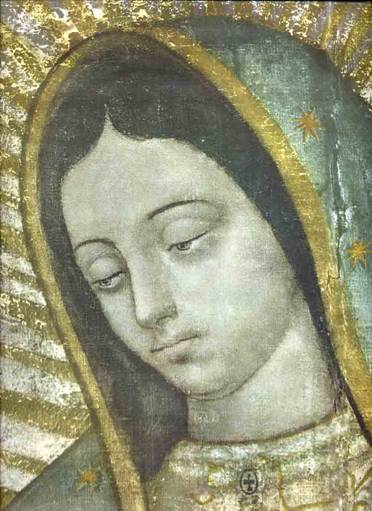
Pillar of Scourging of Our Lord JESUS

Shroud of Turin


 Posts
Posts

