| The directorium asceticum = or, Guide to the spiritual life (Volume 1) - Scaramelli, Giovanni Battista, 1687-1752 vol. 1 Keywords: Asceticism -- Catholic authors Downloads: 402 |  | |
![[texts]](http://www.archive.org/images/mediatype_texts.gif) | The directorium asceticum = or, Guide to the spiritual life (Volume 2) - Scaramelli, Giovanni Battista, 1687-1752 Includes bibliographical references and index Keywords: Asceticism -- Catholic Church Downloads: 101 |  |
| The directorium asceticum = or, Guide to the spiritual life (Volume 3) - Scaramelli, Giovanni Battista, 1687-1752 vol. 3 Keywords: Asceticism -- Catholic authors Downloads: 379 |  |
| The directorium asceticum = or, Guide to the spiritual life (Volume 4) - Scaramelli, Giovanni Battista, 1687-1752 vol. 4 Keywords: Asceticism -- Catholic authors Downloads: 263 |
Showing posts with label Book. Show all posts
Showing posts with label Book. Show all posts
Wednesday, April 28, 2010
Guide to the Spiritual Life by Scaramelli


Friday, April 2, 2010
Of Prayer and Meditation by Ven Luis de Granada
Read Online on Gallica (table of contents (Table des matières) available on the left)
It was at Cordova that Father Lewis wrote his first book. The quiet and solitude of the convent enabled him to devote more time to writing than he would have been able to do had he continued his apostolic journeys among the towns and villages of Spain. His first work was the celebrated "Treatise on Prayer and Meditation." Nicolas Antoine, a learned author, says of this work that of "all books of its kind, in any tongue or of any time, it deserves the first place." It soon became famous, and was even read by the Mahometan inhabitants of Spain, deadly enemies to Christianity as they were. In his preface to " The Introduction to the Creed," a later work, he himself tells how it worked the conversion of one of those infidels, a Moorish slave, called Hamelsi, who, touched by grace, after reading the " Treatise on Prayer," asked for baptism, and became a pious Christian. Lives of the some of the Sons of Dominic (1883)
St. Rose of Lima's favorite book of Ven. Louis was The Book of Prayer and Meditation--a book that laments the miseries of life and manifests spiritual contempt for the world. Once, she banished the devil's temptations by reading this book causing the devil to snatch the book from her and throw it onto a rubbish heap. Rose remained calm, certain that the Lord would return it to her, and she got it back.
|
|
Saturday, October 24, 2009
Meditations on the principal mysteries of our faith, by Ven. Luis de la Puente
WHEN infirmity disabled the servant of God, and prevented his labours for, the good of his neighbour, either in the pulpit or professor's chair, he ardently wished to help them at least with his pen, by writing treatises on spiritual or sacred subjects, which might turn to the more universal and permanent advantage of the faithful. Fearful, however, of being deceived by his own self-love, he spent several days in earnest prayer, beseeching God to make known His divine will to him on this point. Our loving Lord did not leave him long unsatisfied.
One day, as the holy man was prostrate before the Divine Majesty, a copious flood of celestial light filled his mind, accompanied at the same time with such a vehemence of divine love, that, overpowered with excess of bliss, and feeling his heart bursting, as it were, in his bosom, he exclaimed aloud: "Enough, enough, O Lord ! Not so much light, O Lord!" He afterwards owned in confidence, when speaking of this affair, that his room at the time became like a furnace.
That this light was also the voice whereby God approved his desire, and encouraged him to put his hand to the work, was shown from the admirable effects produced by this signal favour. These were, first, a sublime intelligence of holy Scripture, especially of matters referring to mystical theology, on which he wrote with as much depth and clearness as if the objects had been actually before his eyes; the second effect, no less admirable, was his facility in writing on such difficult and abstruse subjects, in terms so appropriate, with reflections so correct, and similitudes so just, and all this so clearly and so expressively, that some one more than human seemed to have been his teacher; so much so, that many very learned men asserted that he had rendered these matters more clear and intelligible than any previous writer.
With this assistance from on high, and being assured of the Divine Will, he applied himself to his writing. The first work which issued from his pen was the book of "Meditations" on the principal mysteries of our faith, on the Life and Passion of our Lord, of His Blessed Mother, &c. It was written in Spanish, in two volumes, and printed in the year 1605. It is in truth an immortal work, in which the reader scarcely knows which to admire most, either the extensive learning, or the order of arrangement, or the multiplicity and correctness of the reflections, or the unction with which the mysteries are unfolded. It cannot be read without feeling the will excited to devotion, or without a desire to profit by it. It passed through three editions, and was translated into several other languages within one year after its first appearance. In it he explains admirably the practice of prayer, at the same time furnishing ample materials for it. In it directors and confessors may find wherewith to instruct those committed to their charge. In it religious of every order may find celestial manna for the daily food of their devotion. In it, in fine, every person of every state may learn how to appreciate the eternal truths, and the mysteries of our holy faith, and also how to live well, if they will frequently read and meditate upon them. The pious Emperor Ferdinand II. declared that this book had been most useful to him, and was accustomed to say that he knew it almost by heart. Lastly, we may say that most writers who have latterly dealt with this subject have borrowed from Father de Ponte's inexhaustible mine.
Meditations on the mysteries of our holy Faith (Volume 1)
Meditations on the mysteries of our holy Faith (Volume 2)
Meditations on the mysteries of our holy Faith (Volume 3)
Meditations on the mysteries of our holy Faith (Volume 4)
Meditations on the mysteries of our holy Faith (Volume 5)
Meditations on the mysteries of our holy Faith (Volume 6)
One day, as the holy man was prostrate before the Divine Majesty, a copious flood of celestial light filled his mind, accompanied at the same time with such a vehemence of divine love, that, overpowered with excess of bliss, and feeling his heart bursting, as it were, in his bosom, he exclaimed aloud: "Enough, enough, O Lord ! Not so much light, O Lord!" He afterwards owned in confidence, when speaking of this affair, that his room at the time became like a furnace.
That this light was also the voice whereby God approved his desire, and encouraged him to put his hand to the work, was shown from the admirable effects produced by this signal favour. These were, first, a sublime intelligence of holy Scripture, especially of matters referring to mystical theology, on which he wrote with as much depth and clearness as if the objects had been actually before his eyes; the second effect, no less admirable, was his facility in writing on such difficult and abstruse subjects, in terms so appropriate, with reflections so correct, and similitudes so just, and all this so clearly and so expressively, that some one more than human seemed to have been his teacher; so much so, that many very learned men asserted that he had rendered these matters more clear and intelligible than any previous writer.
With this assistance from on high, and being assured of the Divine Will, he applied himself to his writing. The first work which issued from his pen was the book of "Meditations" on the principal mysteries of our faith, on the Life and Passion of our Lord, of His Blessed Mother, &c. It was written in Spanish, in two volumes, and printed in the year 1605. It is in truth an immortal work, in which the reader scarcely knows which to admire most, either the extensive learning, or the order of arrangement, or the multiplicity and correctness of the reflections, or the unction with which the mysteries are unfolded. It cannot be read without feeling the will excited to devotion, or without a desire to profit by it. It passed through three editions, and was translated into several other languages within one year after its first appearance. In it he explains admirably the practice of prayer, at the same time furnishing ample materials for it. In it directors and confessors may find wherewith to instruct those committed to their charge. In it religious of every order may find celestial manna for the daily food of their devotion. In it, in fine, every person of every state may learn how to appreciate the eternal truths, and the mysteries of our holy faith, and also how to live well, if they will frequently read and meditate upon them. The pious Emperor Ferdinand II. declared that this book had been most useful to him, and was accustomed to say that he knew it almost by heart. Lastly, we may say that most writers who have latterly dealt with this subject have borrowed from Father de Ponte's inexhaustible mine.
Meditations on the mysteries of our holy Faith (Volume 1)
Meditations on the mysteries of our holy Faith (Volume 2)
Meditations on the mysteries of our holy Faith (Volume 3)
Meditations on the mysteries of our holy Faith (Volume 4)
Meditations on the mysteries of our holy Faith (Volume 5)
Meditations on the mysteries of our holy Faith (Volume 6)
Saturday, May 9, 2009
A Treatise on the True Devotion to the Blessed Virgin
Here is A Treatise on the True Devotion to the Blessed Virgin by St. Louis-Marie Montfort, the faithful translation of Fr. Faber, of which he says he says: "I have translated the whole treatise myself, and have taken great pains with it, and have been scrupulously faithful." The TAN books edition has the same words "scrupulously faithful", making the book look like the faithful translation of Fr. Faber, but in fact, is a different translation. They did more than just update the archaic words and expressions in the new translation. Some parts are more clearer in the original translation than in the new translation, and vice versa; one may read both translations, as well as another translation which is different from TAN's newer translation, available here: http://www.montfort.org.uk/Writings/TrueDev.html)
This is a very important book; Fr. Faber says in preface: "...GOD is pressing for a greater, a wider, a stronger, quite another devotion to His Blessed Mother. I cannot think of a higher work or a broader vocation for any one than the simple spreading of this peculiar devotion...Let a man but try it for himself, and his surprise at the graces it brings with it, and the transformations it causes in his soul, will soon convince him of its otherwise almost incredible efficacy as a means for the salvation of men...."
The full preface:
Preface of Fr. Faber
…
All those who are likely to read this book
love God, and lament that they do not love Him
more; all desire something for His glory,—the
spread of some good work, the success of some
devotion, the coming of some good time. One
man has been striving for years to overcome a
particular fault, and has not succeeded. Another
mourns, and almost wonders while he
mourns, that so few of his relations and friends
have been converted to the faith. One grieves
that he has not devotion enough; another that
he has a cross to carry, which is a peculiarly
impossible cross to him; while a third has domestic
troubles and family unhappinesses, which
feel almost incompatible with his salvation; and
for all these things prayer appears to bring so
little remedy.
But what is the remedy that is
wanted? what is the remedy indicated by God
Himself? If we may rely on the disclosures of
the Saints, it is an immense increase of devotion
to our Blessed Lady; but, remember, nothing
short of an immense one.
Here, in England, Mary is not half enough preached. Devotion
to her is low and thin and poor.
...
Hence
it is that Jesus is not loved, that heretics are
not converted, that the Church is not exalted;
that souls, which might be saints, wither and
dwindle; that the Sacraments are not rightly
frequented, or souls enthusiastically evangelised.
Jesus is obscured because Mary is kept in the
background. Thousands of souls perish because
Mary is withheld from them. It is the miserable
unworthy shadow which we call our devotion
to the Blessed Virgin that is the cause of all
these wants and blights, these evils and omissions
and declines. Yet, if we are to believe
the revelations of the Saints, God is pressing for
a greater, a wider, a stronger, quite another
devotion to His Blessed Mother.
I cannot think of a higher work or a broader vocation for any
one than the simple spreading of this peculiar
devotion of the Venerable Grignon de Montfort.
Let a man but try it for himself, and his surprise
at the graces it brings with it, and the
transformations it causes in his soul, will soon
convince him of its otherwise almost incredible
efficacy as a means for the salvation of men,
and for the coming of the kingdom of Christ.
Oh, if Mary were but known, there would be no
coldness to Jesus then ! Oh, if Mary were but
known, how much more wonderful would be our
faith, and how different would our Communions
be! Oh, if Mary were but known, how much
happier, how much holier, how much less worldly
should we be, and how much more should we
be living images of our sole Lord and Saviour,
her dearest and most blessed Son!
I have translated the whole treatise myself,
and have taken great pains with it, and have
been scrupulously faithful.
[note: the TAN books version uses this same preface of Fr. Faber but does not use his translation of the book and did more than just update the few archaic languages.]
At the same time,
I would venture to warn the reader that one
perusal will be very far from making him master
of it. If I may dare to say so, there is a growing
feeling of something inspired and supernatural
about it, as we go on studying it; and
with that we cannot help experiencing, after
repeated readings of it, that its novelty never
seems to wear off, nor its fulness to be diminished,
nor the fresh fragrance and sensible fire
of its unction ever to abate.
F. W.
FABER,
...
1862.
This is a very important book; Fr. Faber says in preface: "...GOD is pressing for a greater, a wider, a stronger, quite another devotion to His Blessed Mother. I cannot think of a higher work or a broader vocation for any one than the simple spreading of this peculiar devotion...Let a man but try it for himself, and his surprise at the graces it brings with it, and the transformations it causes in his soul, will soon convince him of its otherwise almost incredible efficacy as a means for the salvation of men...."
The full preface:
Preface of Fr. Faber
…
All those who are likely to read this book
love God, and lament that they do not love Him
more; all desire something for His glory,—the
spread of some good work, the success of some
devotion, the coming of some good time. One
man has been striving for years to overcome a
particular fault, and has not succeeded. Another
mourns, and almost wonders while he
mourns, that so few of his relations and friends
have been converted to the faith. One grieves
that he has not devotion enough; another that
he has a cross to carry, which is a peculiarly
impossible cross to him; while a third has domestic
troubles and family unhappinesses, which
feel almost incompatible with his salvation; and
for all these things prayer appears to bring so
little remedy.
But what is the remedy that is
wanted? what is the remedy indicated by God
Himself? If we may rely on the disclosures of
the Saints, it is an immense increase of devotion
to our Blessed Lady; but, remember, nothing
short of an immense one.
Here, in England, Mary is not half enough preached. Devotion
to her is low and thin and poor.
...
Hence
it is that Jesus is not loved, that heretics are
not converted, that the Church is not exalted;
that souls, which might be saints, wither and
dwindle; that the Sacraments are not rightly
frequented, or souls enthusiastically evangelised.
Jesus is obscured because Mary is kept in the
background. Thousands of souls perish because
Mary is withheld from them. It is the miserable
unworthy shadow which we call our devotion
to the Blessed Virgin that is the cause of all
these wants and blights, these evils and omissions
and declines. Yet, if we are to believe
the revelations of the Saints, God is pressing for
a greater, a wider, a stronger, quite another
devotion to His Blessed Mother.
I cannot think of a higher work or a broader vocation for any
one than the simple spreading of this peculiar
devotion of the Venerable Grignon de Montfort.
Let a man but try it for himself, and his surprise
at the graces it brings with it, and the
transformations it causes in his soul, will soon
convince him of its otherwise almost incredible
efficacy as a means for the salvation of men,
and for the coming of the kingdom of Christ.
Oh, if Mary were but known, there would be no
coldness to Jesus then ! Oh, if Mary were but
known, how much more wonderful would be our
faith, and how different would our Communions
be! Oh, if Mary were but known, how much
happier, how much holier, how much less worldly
should we be, and how much more should we
be living images of our sole Lord and Saviour,
her dearest and most blessed Son!
I have translated the whole treatise myself,
and have taken great pains with it, and have
been scrupulously faithful.
[note: the TAN books version uses this same preface of Fr. Faber but does not use his translation of the book and did more than just update the few archaic languages.]
At the same time,
I would venture to warn the reader that one
perusal will be very far from making him master
of it. If I may dare to say so, there is a growing
feeling of something inspired and supernatural
about it, as we go on studying it; and
with that we cannot help experiencing, after
repeated readings of it, that its novelty never
seems to wear off, nor its fulness to be diminished,
nor the fresh fragrance and sensible fire
of its unction ever to abate.
F. W.
FABER,
...
1862.
Monday, December 8, 2008
Fr. Loarte's book on the Rosary
Instructions on How to meditate upon the mysteries of the Rosary of the holy Virgin MARY.
St. Aloysius decided to make his vow of virginity while reading this book:
He acquired especially such a devotion
to Our Lady, the Blessed Virgin, that when he talked about
her or meditated on the Mysteries of her life, he seemed to
melt with holy tenderness. What helped much to this his
devotion to her was the memorable picture in the Annunziata
at Florence, and a little book on the Mysteries of the Rosary
written by Father Gaspar Loarte S. J. While reading it
one day he felt inflamed with the desire of doing some
thing pleasing to Our Lady. Then the thought came to him
that it would be most pleasing and acceptable to the most
holy Queen of Heaven, if he offered and dedicated his
virginity to her by vow, thus to imitate her purity as far as
possible.
...
St. Aloysius decided to make his vow of virginity while reading this book:
He acquired especially such a devotion
to Our Lady, the Blessed Virgin, that when he talked about
her or meditated on the Mysteries of her life, he seemed to
melt with holy tenderness. What helped much to this his
devotion to her was the memorable picture in the Annunziata
at Florence, and a little book on the Mysteries of the Rosary
written by Father Gaspar Loarte S. J. While reading it
one day he felt inflamed with the desire of doing some
thing pleasing to Our Lady. Then the thought came to him
that it would be most pleasing and acceptable to the most
holy Queen of Heaven, if he offered and dedicated his
virginity to her by vow, thus to imitate her purity as far as
possible.
...
Gaspar Loarte, a Spaniard of good family, entered the--Life of Saint Aloysius Gonzaga
Society of Jesus in 1552, and died Oct. 8th 1578. He was Rector of
the College at Genoa, and later, of that at Messina. He was a man of
great learning and still greater virtue and received many special favours
from God. The title of the little book mentioned in the text is
"Instruzione e avvertimenti per meditar i misterii del Rosario delle SS
ma Vergine Madre."
S. Charles Borromeo thought very highly of this work of Loarte.
In his Instructions for Confessors, when speaking of the pious books
which they should recommend to their penitents for their own use and
that of their families, this little book is one of the few he mentions by
name.
Loarte published several other spiritual works which were very popular.
Sunday, December 7, 2008
A book commanded to be written by JESUS Himself
Devotion to the Sacred Heart of JESUS: (scanned; 1863 translation):
A review about the book: "The Bishop of Sarajevo, Yugoslavia, discovered this tremendous treasure after it had disappeared for almost two centuries, thus fulfilling a prophecy made by St. Margaret Mary. She foretold that this inspired writing would be forgotten for a time, but then would come to light again. The author (Fr. Croiset) was the spiritual director of St. Margaret Mary and therefore was intimately familiar with every aspect of the revelations given by Our Lord to this famous saint; thus, the book is actually the "key" to understanding the importance and the centrality of the Sacred Heart devotion for our lives as true Catholics. This great work was actually commissioned by Our Lord Himself through St. Margaret Mary, and as Father Croiset neared completion of it, St. Margaret told him that Our Lord said it was so completely in accord with His wishes that it would never be necessary to make any change in it. Later she revealed that it was Our Lord Himself who had inspired him with the ideas in this book and that it was so pleasing to Him that "none other but Himself could have arranged everything so much to His wishes." This magnificent work is a revelation to all just why so few of us become great saints and why so few, despite going frequently to the Sacraments, fail really to grow in the life of grace and make great progress in the spiritual order. The best there is on this important devotion!"
WikiSource Version of the Book
Special efficacy of the image of the Sacred Heart in converting souls:
"Even at the hour of death, incredulous, indifferent, hardened souls have been converted by simply
showing them a picture of the Sacred Heart, which sufficed to restore these sinners to the life of hope
and love, in a word, to touch the most hardened. It would, indeed, be a great misfortune to any
apostolic man to neglect so powerful a means of conversion, and in proof of this I will mention a
single fact which will need no comment. A religious of the Company of Jesus had been requested
by the Blessed Margaret Mary to make a careful engraving of the Sacred Heart. Being often hindered
by other occupations, there was much delay in preparing this plate. ' This good father,'
writes the saint, 'is so much occupied by Monsignor d'Autun in the conversion of heretics, that
he has neither time nor leisure to give to the work so ardently desired by the Heart of our Divine
Master. You cannot imagine, my much-loved mother, how greatly this delay afflicts and pains
me. I must avow confidently to you my belief that it is the cause of his converting so few infidels
in this town. I seem constantly to hear these words : ' That if this good father had acquitted
himself at once of his promise to the Sacred Heart, Jesus would have changed and converted the
hearts of these infidels, on account of the joy He would have felt at seeing Himself honoured in the
picture He so much wishes for. As, however, he prefers other work, even though to the glory of
God, to that of giving Him this satisfaction, He will harden the hearts of these infidels, and the
labours of this mission will not be crowned with much fruit.' From: Month of the Sacred heart by Alexis Lefebvre
Passages from the book which shows that this book deals with the True Devotion to the Blessed Sacrament (Jesus):
...This devotion wholly consists, properly speaking, in an ardent love of Jesus Christ, constantly residing amongst us in the adorable Eucharist, and in testifying this ardent love by our grief at seeing Him so little loved and so little honoured, and by the means we take to repair this contempt and this want of love.
...
It is necessary, then, to have a lively faith, in order to have this ardent love for Jesus Christ in the most Blessed Sacrament, and to be touched by a sense of the insults to which the excess of His love for us exposes Him; and to acquire, in fine, a true devotion to the Sacred Heart of Jesus Christ.
From a similar book, A Treatise on the True Devotion to the Blessed Virgin (both this book and the Devotion to the Sacred Heart of Jesus was lost for about 200 years before it was resurrected around the same time and both treats on true devotion)::
True devotion to the Blessed Sacrament (which is essentially same as the Devotion to the Sacred Heart*) and True devotion to the Blessed Virgin is like Gold and Silver of devotions. The former teaches true devotion of the most important devotion (Gold); the latter teaches true devotion of the second most important devotion (Silver).
* "The devotion to the Blessed Eucharist and the devotion to the Sacred Heart are not only two sister devotions, in reality they are only one and the same devotion. They complete each other and develop each other; they blend so perfectly together that one cannot go on without the other and their union is absolute. Not only can one of these devotions not be prejudicial to the other, but because they complete each other and perfect each other, they also reciprocally increase each other." --Footnote in the 1959 version of the book
A review about the book: "The Bishop of Sarajevo, Yugoslavia, discovered this tremendous treasure after it had disappeared for almost two centuries, thus fulfilling a prophecy made by St. Margaret Mary. She foretold that this inspired writing would be forgotten for a time, but then would come to light again. The author (Fr. Croiset) was the spiritual director of St. Margaret Mary and therefore was intimately familiar with every aspect of the revelations given by Our Lord to this famous saint; thus, the book is actually the "key" to understanding the importance and the centrality of the Sacred Heart devotion for our lives as true Catholics. This great work was actually commissioned by Our Lord Himself through St. Margaret Mary, and as Father Croiset neared completion of it, St. Margaret told him that Our Lord said it was so completely in accord with His wishes that it would never be necessary to make any change in it. Later she revealed that it was Our Lord Himself who had inspired him with the ideas in this book and that it was so pleasing to Him that "none other but Himself could have arranged everything so much to His wishes." This magnificent work is a revelation to all just why so few of us become great saints and why so few, despite going frequently to the Sacraments, fail really to grow in the life of grace and make great progress in the spiritual order. The best there is on this important devotion!"
WikiSource Version of the Book
Special efficacy of the image of the Sacred Heart in converting souls:
"Even at the hour of death, incredulous, indifferent, hardened souls have been converted by simply
showing them a picture of the Sacred Heart, which sufficed to restore these sinners to the life of hope
and love, in a word, to touch the most hardened. It would, indeed, be a great misfortune to any
apostolic man to neglect so powerful a means of conversion, and in proof of this I will mention a
single fact which will need no comment. A religious of the Company of Jesus had been requested
by the Blessed Margaret Mary to make a careful engraving of the Sacred Heart. Being often hindered
by other occupations, there was much delay in preparing this plate. ' This good father,'
writes the saint, 'is so much occupied by Monsignor d'Autun in the conversion of heretics, that
he has neither time nor leisure to give to the work so ardently desired by the Heart of our Divine
Master. You cannot imagine, my much-loved mother, how greatly this delay afflicts and pains
me. I must avow confidently to you my belief that it is the cause of his converting so few infidels
in this town. I seem constantly to hear these words : ' That if this good father had acquitted
himself at once of his promise to the Sacred Heart, Jesus would have changed and converted the
hearts of these infidels, on account of the joy He would have felt at seeing Himself honoured in the
picture He so much wishes for. As, however, he prefers other work, even though to the glory of
God, to that of giving Him this satisfaction, He will harden the hearts of these infidels, and the
labours of this mission will not be crowned with much fruit.' From: Month of the Sacred heart by Alexis Lefebvre
Passages from the book which shows that this book deals with the True Devotion to the Blessed Sacrament (Jesus):
...This devotion wholly consists, properly speaking, in an ardent love of Jesus Christ, constantly residing amongst us in the adorable Eucharist, and in testifying this ardent love by our grief at seeing Him so little loved and so little honoured, and by the means we take to repair this contempt and this want of love.
...
It is necessary, then, to have a lively faith, in order to have this ardent love for Jesus Christ in the most Blessed Sacrament, and to be touched by a sense of the insults to which the excess of His love for us exposes Him; and to acquire, in fine, a true devotion to the Sacred Heart of Jesus Christ.
From a similar book, A Treatise on the True Devotion to the Blessed Virgin (both this book and the Devotion to the Sacred Heart of Jesus was lost for about 200 years before it was resurrected around the same time and both treats on true devotion)::
The devil, like a false coiner and a subtle and experienced sharper, has already deceived and destroyed so many souls by a false devotion to the Blessed Virgin, that he makes a daily use of his diabolical experience to plunge many others by this same way into everlasting perdition; amusing them, lulling them to sleep in sin, under the pretext of some prayers badly said, or of some outward practices which he inspires. As a false coiner does not ordinarily counterfeit any thing but gold and silver, or very rarely the other metals, because they are not worth the trouble, so the evil spirit does not for the most part counterfeit the other devotions, but only those to Jesus and Mary, the devotion to Holy Communion, and to our Blessed Lady, because they are, among other devotions, what gold and silver are amongst metals.
True devotion to the Blessed Sacrament (which is essentially same as the Devotion to the Sacred Heart*) and True devotion to the Blessed Virgin is like Gold and Silver of devotions. The former teaches true devotion of the most important devotion (Gold); the latter teaches true devotion of the second most important devotion (Silver).
* "The devotion to the Blessed Eucharist and the devotion to the Sacred Heart are not only two sister devotions, in reality they are only one and the same devotion. They complete each other and develop each other; they blend so perfectly together that one cannot go on without the other and their union is absolute. Not only can one of these devotions not be prejudicial to the other, but because they complete each other and perfect each other, they also reciprocally increase each other." --Footnote in the 1959 version of the book
Some excerpts from the book:
Sunday, November 30, 2008
The Liturgical Year by Prosper Guéranger
The Liturgical Year by Prosper Guéranger
LENT (Feb. 9--Apr. 9): http://books.google.com/books?id=u_UCAAAAQAAJ&pg=PR5&source=gbs_selected_pages&cad=0_0#PPR5,M1
PASSIONTIDE AND HOLYWEEK (Passion Sunday--Holy Saturday): http://books.google.com/books?id=z1AJAAAAQAAJ&printsec=frontcover#PPR5,M1
PASCHAL TIME (Easter Sunday--Annunciation): http://books.google.com/books?id=xvwYAAAAYAAJ&pg=PA71&dq=#PPP11,M1
THE TIME AFTER PENTECOST.
VOL 1: http://books.google.com/books?id=TyA6AAAAIAAJ&pg=PA436&dqlr=&as_brr=1&ei=6FPuR6DUHobOiQGOkJioDQ#PPP11,M1
VOL.2: http://books.google.com/books?id=GPYCAAAAQAAJ&pg=RA1-PA205&as_brr=1&ei=nKfRR-DrD6G4jgGTyaWrBQ#PRA1-PR7,M1
VOL 3 (June 2--July 6): http://books.google.com/books?id=1SA6AAAAIAAJ&printsec=titlepage&source=gbs_summary_r&cad=0#PPR5,M1
VOL 4 (July 8--Aug. 22): http://books.google.com/books?id=YyE6AAAAIAAJ&printsec=titlepage&as_brr=1&source=gbs_summary_s&cad=0#PPR3,M1
VOL 5 (Aug. 23--Oct. 31): http://books.google.com/books?id=wiE6AAAAIAAJ&printsec=frontcover&as_brr=1&ei=jqnRR42pKIvaiQGSoeSrBQ#PPP7,M1
VOL 6 (Nov. 1--Nov. 30): http://books.google.com/books?id=HiI6AAAAIAAJ&pg=PP11&source=gbs_selected_pages&cad=0_1#PPP11,M1
LENT (Feb. 9--Apr. 9): http://books.google.com/books?
PASSIONTIDE AND HOLYWEEK (Passion Sunday--Holy Saturday): http://books.google.com/books?
PASCHAL TIME (Easter Sunday--Annunciation): http://books.google.com/books?
THE TIME AFTER PENTECOST.
VOL 1: http://books.google.com/books?
VOL.2: http://books.google.com/books?
VOL 3 (June 2--July 6): http://books.google.com/books?
VOL 4 (July 8--Aug. 22): http://books.google.com/
VOL 5 (Aug. 23--Oct. 31): http://books.google.com/
VOL 6 (Nov. 1--Nov. 30): http://books.google.com/books?
ADVENT(Nov. 30 - Dec. 24) : http://www.archive.org/stream/liturgicalyear03unkngoog#page/n10/mode/1up
Subscribe to:
Posts (Atom)
Sacred and Immaculate Hearts

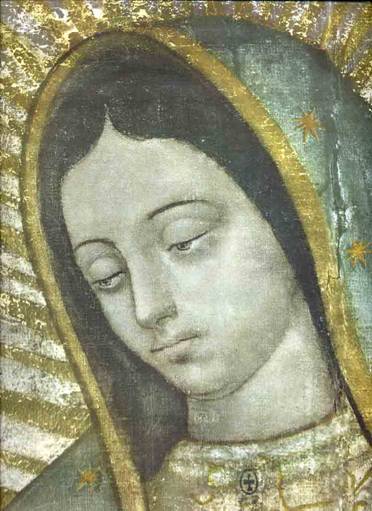
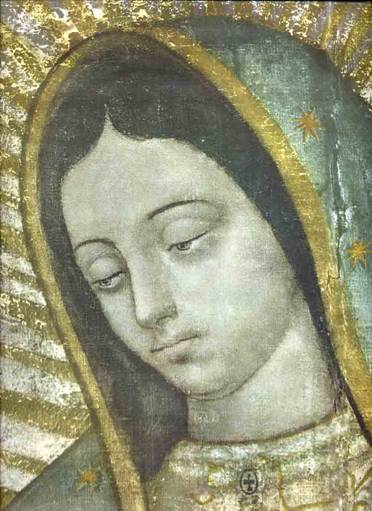
Our Lady of Guadalupe
Pillar of Scourging of Our Lord JESUS

Shroud of Turin


 Posts
Posts

